Solder, Prayer, and a Bag of Donors: Inside the Basement Clinics Saving Dead Consoles
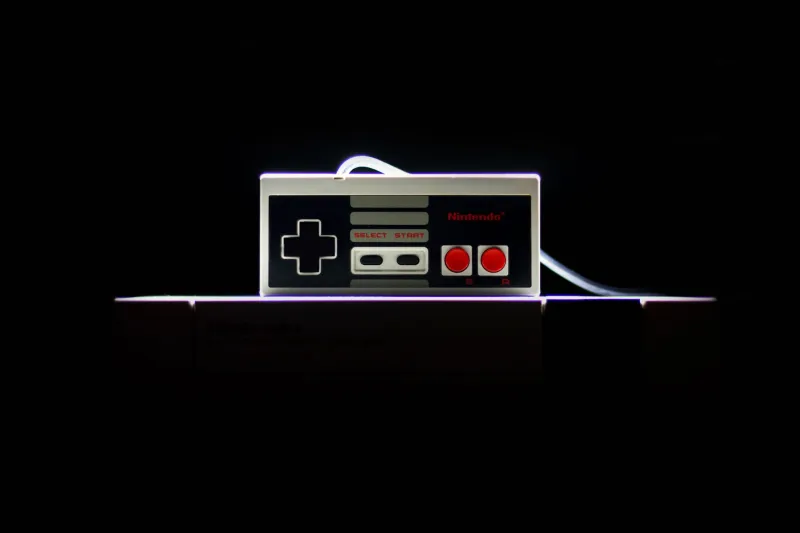
The First Presbyterian Church of Muncie, Indiana, does not advertise that every second Saturday, its fellowship hall becomes the most important medical facility in the region. The patients just show up: a grocery bag of yellowed Game Boys, a Sega Genesis with a mysterious rattle, a Nintendo Entertainment System that its owner swears worked fine until it very much didn't.
They come for the repair café — one of dozens now meeting monthly in American libraries, VFW halls, and church basements — where a rotating cast of hobbyists resurrect dead consoles for the unbeatable price of nothing.
The sign on the folding table says it all: CRACKED CASE CLUB — WE FIX, YOU LEARN, NOBODY CHARGES.
The Regulars
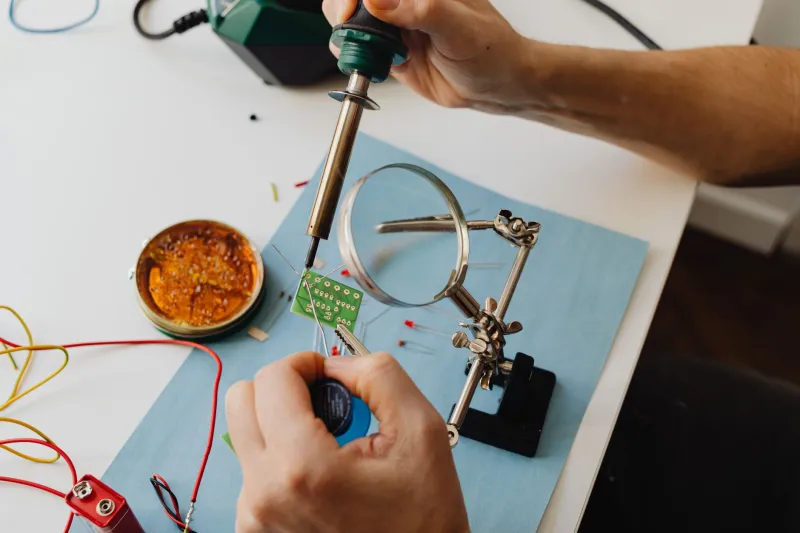
You cannot write about this scene without meeting Ray Delgado, 67, retired HVAC technician, unofficial mayor of the Muncie table. Ray got into console repair in 2019 when his grandson's Game Boy Color stopped holding a charge and Ray — a man who once fixed a furnace with a coat hanger and spite — decided a 20-year-old handheld would not beat him.
It did, for three weeks. Then it didn't.
Now Ray owns what regulars call "the donor pile": a Rubbermaid tote of parts consoles, harvested for screws, shells, and the occasional miracle. His philosophy is simple and delivered while not looking up from a soldering iron.
"Nothing in this tote is dead. It's just waiting on a different body."
Across the table sits Priya Raman, 29, a software engineer who shows up with a toolbox that costs more than most of the consoles on the table. Priya is the club's capacitor person — the one everyone whispers about when a motherboard has the dreaded leak. She learned soldering from YouTube during the pandemic, like half her generation, and now drives 40 minutes each way to sit in a church basement fixing other people's childhoods.
"Someone brought in a NES they got for their ninth birthday in 1988," she says. "It hadn't worked since the Clinton administration. When the red light came back on, this grown man made a noise I've never heard a human make. I chase that noise now."
The Yellowing Problem, and Other Sins of 1990s Chemistry
If you've ever wondered why old Game Boys and SNES shells turn that sad butterscotch color, the repair café crowd can explain it in more detail than you asked for: bromine flame retardants in the ABS plastic oxidize over decades, and the discoloration is, for practical purposes, permanent. Retrobright can help. Retrobright can also make things brittle. Opinions at the table are strong and divided along generational lines.
The real killers, though, are mundane. Corroded battery terminals. Blown fuses. The infamous NES 72-pin connector, which Ray describes as "Nintendo's one bad decision." Most fixes take under an hour. Some take a cotton swab, isopropyl alcohol, and a firm talking-to.
The point, everyone insists, is not actually the consoles.
Fix It, Don't Flip It
Here's what separates these gatherings from the wider retro scene: nobody here is chasing market value. There is a quiet, almost militant anti-consumerism baked into the whole operation. In an era where sealed copies of games sell at auction for the price of a used car and scalpers list broken consoles as "for parts, probably works," the Cracked Case Club operates on a different economy entirely.
The only rule, repeated like scripture: what gets fixed gets played. Not displayed. Not flipped. Not sealed in a UV-protected acrylic case. Played.
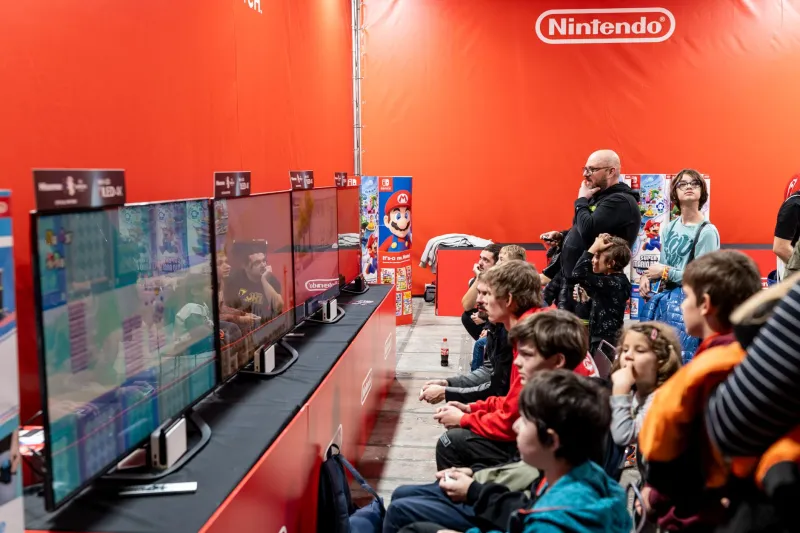
To that end, most repair cafés end with what Muncie regulars call "the victory lap" — a CRT television, hauled in on a hand truck by Ray, wired up so every revived console gets tested with an actual game. There is something genuinely moving about watching a 54-year-old accountant and a 12-year-old stranger huddle over a 1990 TV, taking turns on a revived NES, arguing about whether the Konami Code counts as cheating.
(It counts. It has always counted. This is settled law.)
Find Your Table
The scene is more findable than you'd think. Search your town's name plus "repair café" and check library event boards — public libraries have quietly become the movement's biggest landlords, donating meeting rooms the way churches once donated basements. The Retro Repair community forums maintain a regional map. Most clubs welcome total beginners and will hand you a dead Game Boy and a spudger before you've finished your coffee.
Bring a console. Bring a snack to share. Bring the humility required to desolder your first capacitor in front of witnesses.
And if you're in Indiana on a second Saturday, stop by the fellowship hall. Ray will be at the donor pile, elbow-deep in somebody's childhood, not looking up, fixing things that were never really broken — just waiting on a different body.