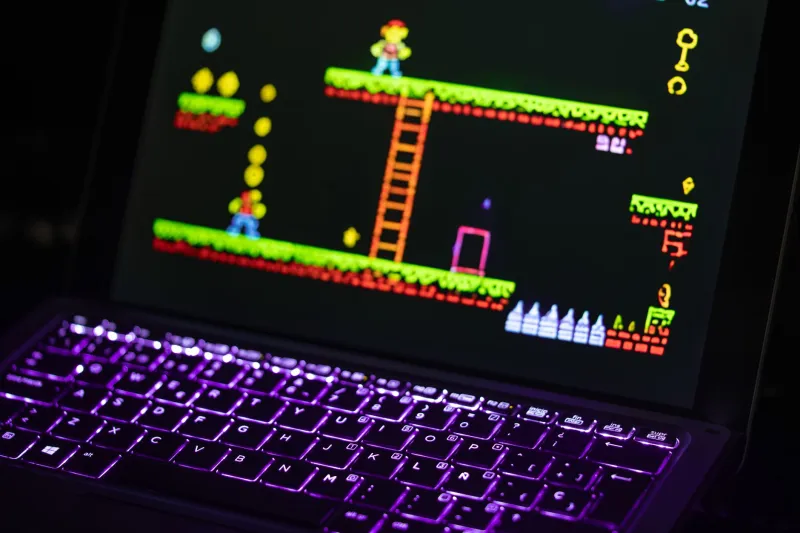
Thrift Store Engines: The Solo Devs Shipping Pixel-Art Hits on a Zero-Dollar Budget
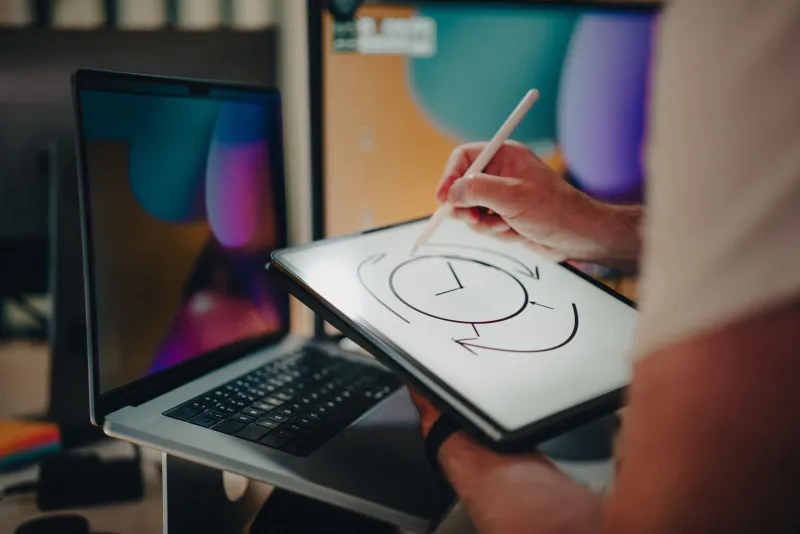
The tablet cost eleven dollars at a garage sale in Dayton, Ohio. The stylus is a little chewed. The driver software hadn't been updated since the Obama administration. And with it, a solo developer is shipping a pixel-art game that looks better than half the stuff on the storefront front page.
This is the scrappy underbelly of indie game dev — and honestly, it might be the healthiest part of the whole industry.
The Myth of the Big Budget
Open any game dev forum and you'll find the same anxiety on loop: "Do I need a Wacom Cintiq? Do I need a $40/month art subscription? Do I need to quit my job?"
No. No. And absolutely not.
The truth is that pixel art — the dominant visual language of indie games right now — is arguably the cheapest art form in the medium. You're not rendering 8K skin textures. You're placing colored squares, deliberately, until they look like a wizard. The barrier isn't money. It's taste and stubbornness, and both are free.
The Zero-Dollar Toolkit
Here's what working solo devs are actually using, pulled from conversations across dev Discords and indie showcases from Portland to Austin:
- Aseprite (and its free cousins) — Aseprite is a paid gem, but free alternatives like LibreSprite and Piskel do 90% of the same work. Plenty of shipped games were animated entirely in tools that cost nothing.
- Abandoned '90s and 2000s software — Old versions of GraphicsGale, Jasc Paint Shop Pro, even MS Paint in the hands of a maniac. Legacy freeware from the pre-Steam era still animates sprites just fine, and its clunkiness breeds a distinctive style.
- Godot and GB Studio — Free, open-source engines that run on a potato. GB Studio even lets you ship actual Game Boy–style games without writing a line of code.
- Freesound and chiptune trackers — Sound effects and music for free, using tools like FamiTracker that faithfully recreate the sounds of an NES humming in a basement in 1989.
- Secondhand everything — Refurbished monitors, thrifted drawing tablets, a laptop from a pawn shop. The dev's machine doesn't matter. The pixels do.
Voices from the Trenches
The Dayton Tablet — That garage-sale tablet belongs to a midwestern dev who asked to go by her handle, "Brickwitch," because her day job and her game dev don't need to meet. Her upcoming title, a moody pixel-art roguelike about a lighthouse keeper, was made entirely on hardware that cost less than a pizza.
"People see the game and assume I have a studio setup," she told us. "My monitor has a dead pixel right in the middle and honestly it's kind of on-brand."
The Pawn Shop Pipeline — A dev out of Georgia we'll call "SundownSam" builds his entire games in a free engine on a refurbished ThinkPad he bought for eighty bucks. His trick? Constraint as a design philosophy. "Old hardware forces you to make decisions," he says. "When your machine chokes on 400 sprites, you learn to do more with 40. That discipline shows up in the final game."
The Abandoned Software Collector — A Portland-based artist we'll call "Vermilion" swears by a sprite editor that stopped receiving updates before the iPhone launched. "It does one thing and it does it forever," she laughs. "There's something comforting about software that will never change on you. No subscription, no redesign, no AI features nobody asked for."
Why Scrappy Wins
There's a pattern here, and it's not just thrift. Working with junk tools produces a specific kind of game: one where every asset was placed on purpose because placing it was work. When your pipeline is slow, you don't bloat. When your palette is limited, your colors sing. When your laptop wheezes, your game ships optimized.
Contrast that with bloated productions where a single prop has 40,000 polys and no soul. Players can feel the difference. Some of the most beloved indie hits of the last decade — made by one or two people — look better than games with eight-figure budgets, because constraint bred clarity.
Your Own Junk-Drawer Dev Kit
Inspired? Here's the starter pack, total cost: roughly zero.
- Engine: Godot. Free, open-source, runs on anything.
- Art: Piskel or LibreSprite in the browser. Graduate to a used tablet when your wrists demand it.
- Audio: Freesound.org for SFX, FamiTracker or BeepBox for music.
- Learning: YouTube tutorials, itch.io devlogs, and the hundreds of open-source game projects on GitHub you can dissect like a frog in biology class.
- Community: Local game dev meetups exist in nearly every mid-sized US city. Show up. Bring your chewed-up stylus. Nobody will judge.
Make something small. Make it weird. Ship it anyway.
The Motley Pixel Take
The next era of great games won't come from the biggest budgets. It'll come from bedrooms in Ohio, pawn-shop laptops in Georgia, and twenty-year-old software that refuses to die. The tools are free. The barrier is just the courage to start.
Go dig through the junk drawer. Your game is in there.