Dead Battery, Dying Memory: The Race to Save Grandma's 1994 Pokémon File
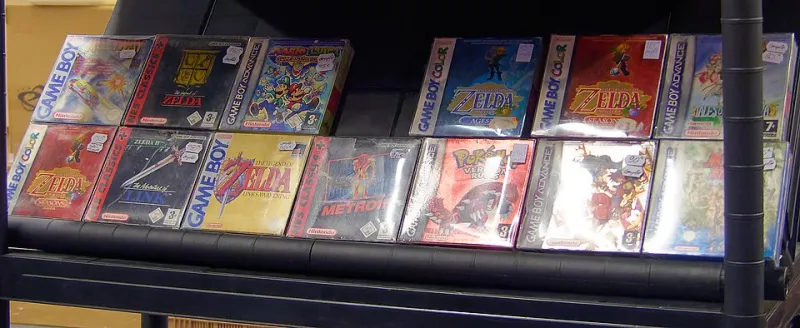
Photo: Thomas Bresson, CC BY 4.0, via Wikimedia Commons
Somewhere in a shoebox in Ohio, there's a copy of Pokémon Red holding a save file from 1994. A Blastoise named after somebody's dog. A full Pokédex, back when completing it meant something. And right now, statistically speaking, that save file is either dead or dying — not because anyone deleted it, but because a $2 battery the size of a nickel gave up the ghost somewhere around the second Obama administration.
Welcome to the quietest crisis in retro gaming. Nobody's shouting about it. There's no countdown clock on the news. But inside millions of SRAM-backed cartridges from the NES, Game Boy, SNES, and Genesis eras, tiny lithium coin cells are quietly flatlining, and when they go, decades of progress go with them.
What's Actually Happening in There
Quick primer for the uninitiated: back in the day, cartridge games couldn't rely on flash memory the way modern stuff does. To remember your save, games like Pokémon, Zelda, and Earthbound used a small chunk of SRAM — memory that only holds data while it has power. That power came from a CR2032 coin cell soldered (or clipped) onto the board.
Those batteries were rated for roughly a decade. It's now been three. Do the math, pour one out.
When the cell dies, the SRAM doesn't necessarily erase instantly — it fades, like a photograph left in a sunny window. Preservationists call this "virtual death," and it's a weirdly haunting term for what is, functionally, a piece of someone's childhood quietly unraveling byte by byte.
The Modders on Call
Enter the battery-swap economy. On eBay, Etsy, and r/Gameboy, a small army of modders will open your cartridge, desolder the dead cell, and solder in a fresh one — ideally without losing the save, which requires a delicate dance of keeping power flowing during the transplant.
"Half my clients aren't collectors," says one Ohio-based repair tech who asked to be identified only as Dave, because his day job doesn't know about the forty cartridges in his garage. "They're people who found their old Game Boy in their parents' attic, popped in a cart, and got the 'The save file has been corrupted' message. That hits different when it's YOUR save. When it's the one your dad made before he passed, or the file you and your brother took turns on during a road trip in '97."
Dave charges twenty bucks a swap. He says he'd do it for free, but the soldering iron doesn't run on sentiment.
Grandma's Blastoise Deserves Better
The emotional weight here is the part the preservation community keeps circling back to. A save file is a strange artifact — it's not the game, exactly. Anyone can replay Pokémon Red. But nobody can replay YOUR Pokémon Red, with its fifteen-year-old nickname choices and its box full of Level 100s ground out on a school bus.
Digital preservationists have started treating these files like oral history. One midwest archivist I spoke with described photographing save screens the way you'd photograph a family portrait — because that's essentially what they are. A snapshot of who was playing, when, and what mattered to them at ten years old.
There's genuine debate, though, about what "saving" a save file even means. Dump the SRAM to a file and it's technically preserved, but is a Blastoise in a .sav file on a hard drive the same Blastoise? Purists argue the save only truly lives inside the cartridge it grew up in. Everyone else thinks purists should get outside more.
What You Can Do Before It's Too Late
If you've got childhood carts in a closet somewhere, here's the Motley Pixel checklist:
- Test them now. Pop them in and see if the save loads. Corrupted saves sometimes still respond to a battery swap if the data hasn't fully decayed — but the window is closing.
- Don't panic-solder. A botched DIY swap can kill the board. If the save matters, pay someone who knows what they're doing.
- Back it up. A cheap cart reader can dump your save to a file. Redundancy is love.
- Label the file. Future-you will not remember what "BLASTOISE_FINAL_FINAL.sav" means. Trust us.
The batteries are dying. The consoles are getting rarer. But for a couple bucks and a steady hand, the save file will see you now — and if you move fast enough, it'll see your kids someday too.


