Four Hundred Miles for a Tube: The Road Warriors Rescuing America's Dead Arcade Cabinets
There's a moment in every restoration story that sounds, out of context, like a hostage negotiation. For Denny Kowalczyk of Toledo, Ohio, it came at 2 a.m. in the parking lot of a closed-down pizza buffet outside Dayton, cash in an envelope, haggling over a waterlogged Galaga cabinet with a man who just wanted it out of his basement before his wife filed for divorce.
"He goes, 'Take the whole thing or nothing — the cabinet, the control panel, the marquee, all of it,'" Denny recalls. "I said buddy, I drove three hours, I'm taking everything. I'd have taken the carpet if it had Ms. Pac-Man on it."
Denny is one of an estimated thousands of American hobbyists engaged in a quiet, greasy, gloriously unprofitable act of preservation: hauling dead arcade machines out of dying venues and bringing them back to life, one cathode ray tube at a time.
The Cabinet Comes to You (Whether You Like It or Not)
The supply chain for this hobby is basically entropy itself. Bowling alleys close. Pizza joints remodel. Elks lodges downsize. And every time one does, a dozen cabinets built during the Ford administration — machines that survived cigarette smoke, spilled Coke, and forty years of teenagers — get marked for the dumpster.
The collectors find them through Facebook Marketplace, estate sale listings, and an informal network of "cabinet scouts" who keep an eye out for liquidation auctions. The condition reports read like used car ads written by optimists: "burns a little," "monitor may be tired," "smells like 1987."
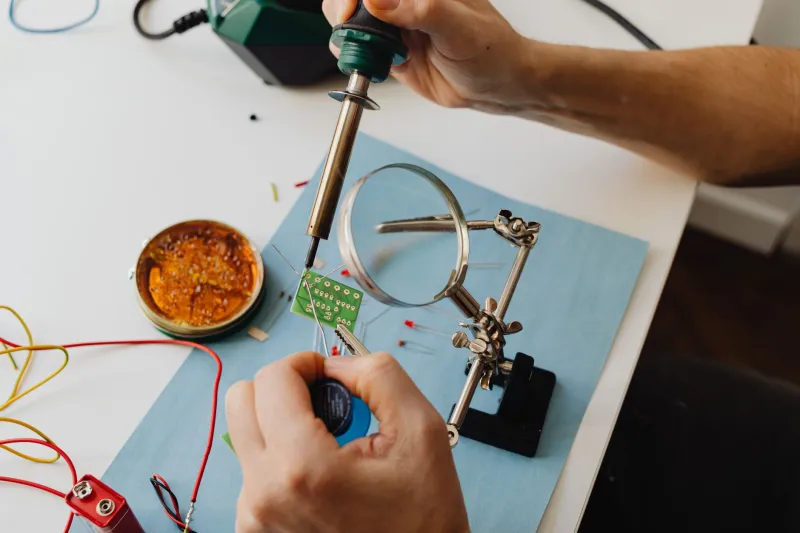
"Tired" is doing a lot of work in that sentence. A tired monitor in arcade terms usually means a tube so weak you can barely see the ghosts in Pac-Man — which, fine, thematic — or a chassis with cracked solder joints and capacitors ready to vent their acrid, unforgettable stink. Yes, CRTs hold lethal charges. Yes, everyone in this hobby has a story about the discharge they didn't see coming. No, they will not stop doing it.
The eBay Parts Economy Is Lawless and Beautiful
Here's where things get weird. Because original parts stopped being manufactured decades ago, the restoration economy runs on cannibalism and scalping. Dead cabinets get parted out. A working 19" Wells-Gardner monitor might list for $600. A single NOS (new old stock) joystick ball — just the ball — can fetch $75 from collectors who treat vintage red like it's a gemstone grade.
"I've sold a Defender bezel to a guy in Nebraska and shipped it in a box padded with a duvet," says one parts reseller who asked to be identified only as 'ArcadeMike' because, quote, "my day job doesn't need to know I run a black market for plastic."
Then there's the repro market — hobbyists laser-cutting replacement side art, screen-printing control panel overlays, even recreating cabinet decals by scanning surviving examples pixel by pixel. It's bootleg preservation, technically dubious and morally unimpeachable, and it's the only reason half these machines still look right.
The 400-Mile Monitor Guy
Every hobby has its mythic figure. In the arcade restoration scene, it's the person who will drive absurd distances for a single working component. Denny tells me, without a hint of self-awareness, about the time he drove from Toledo to Indianapolis — four hours each way — because someone had a working Gyruss monitor chassis for $150.
"Gas cost me more than the part," he says. "But you don't understand. A working Gyruss chassis. Do you know how rare—"
I did not know. I nodded anyway. This is the correct response.
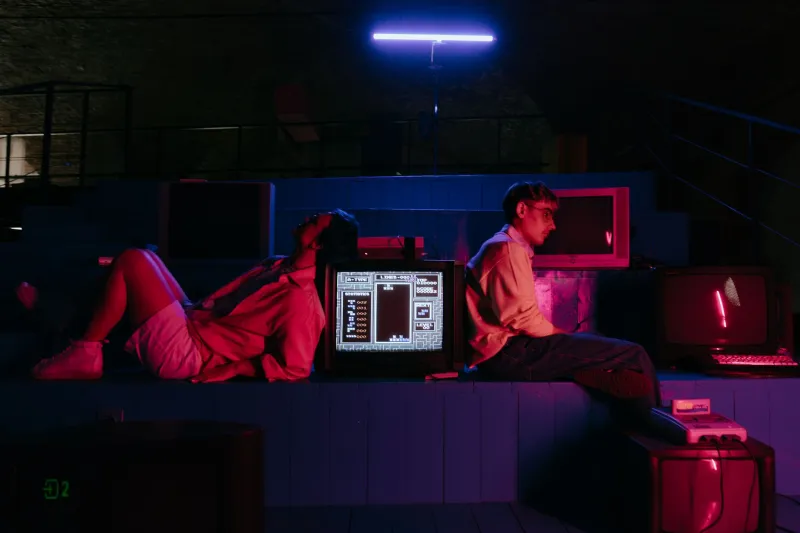
And honestly? The math checks out, if you refuse to do it. A reproduction CRT is a compromise. A modern LCD conversion is, to purists, a war crime — the games were designed around the glow, the scanlines, the particular smear of phosphor. Keeping originals alive means keeping the analog pipeline alive: real tubes, real amplifiers, real solder. It's restoration as a form of dissent against the everything-streamed, nothing-owned future.
Why Bother?
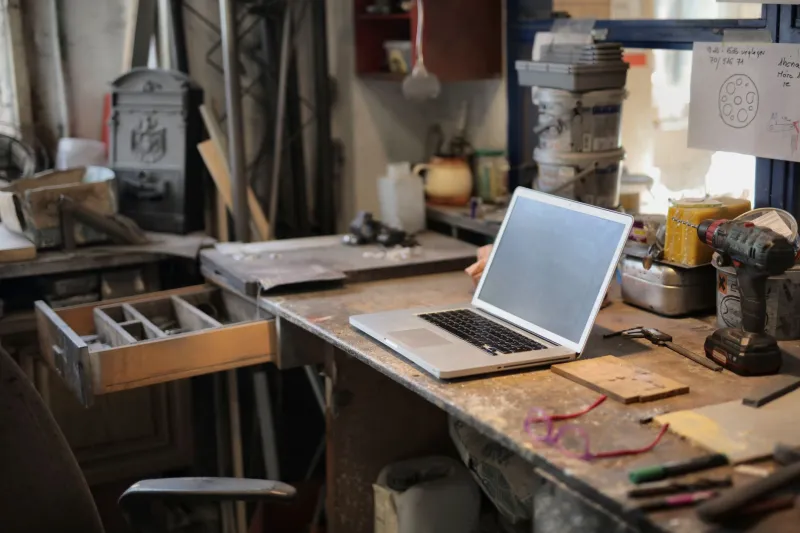
Digital preservation gets the grants and the conferences. This is the other kind — the kind that happens in a two-car garage in Ohio with a space heater and a dog named Atari. These machines aren't artifacts behind glass. They're meant to be leaned on, thumped, and beaten by someone's kid on a Saturday afternoon.
"People ask why I don't just emulate," Denny says, patting the Galaga — his Galaga now, the pizza-buffet Galaga, resurrected and humming. "I say: you can't put your hand on an emulator. You can't feel a machine remember every kid who ever fed it a quarter."
Somewhere in America, right now, a bowling alley is closing and a cabinet is going dark. And somewhere else, a guy with a truck, a dolly, and zero financial sense is already on his way.