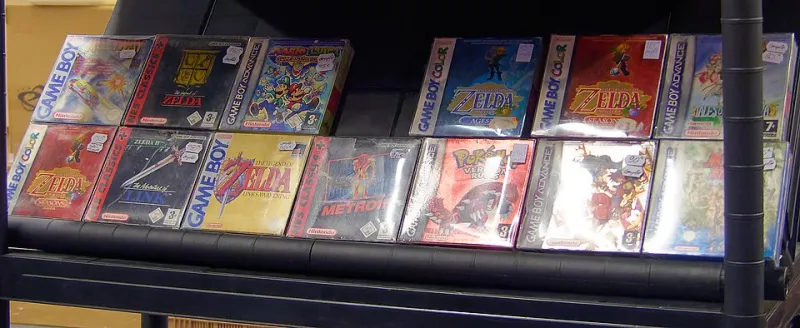
The Night the Servers Slept: A Eulogy for My Digital Library (It's Fine, It's Breathing)
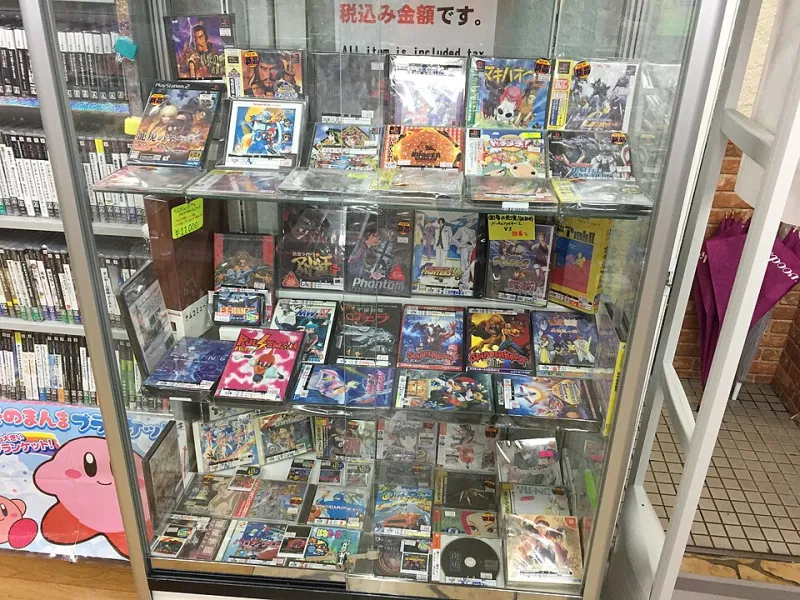
Photo: Ominae, CC BY-SA 4.0, via Wikimedia Commons
Somewhere in Ohio, at 6:47 p.m. on a random Tuesday, a man named Dave sat down to play his 400-game Steam library and discovered he owned approximately none of them. Not legally, anyway. Not tonight. The servers were down, the login loop was spinning, and Dave — a grown adult with a mortgage and a gaming PC that costs more than his first car — was locked out of his own hobby by a progress bar.
Dave, buddy. Buddy. This is what we tried to tell you.
The Great Login Loop of 2023
When the big storefront blackout hit, the internet did what the internet does: it panicked in stages. Stage one was confusion. Stage two was memes. Stage three — and this is the part that should worry you — was the quiet, dawning realization that a huge chunk of modern game ownership is basically a really elaborate rental agreement with a corporate landlord who doesn't return calls.
You don't own games that live on someone else's server. You license them. You have a permission slip. And when the permission desk closes for the day, you get to sit in the hallway and think about your choices.
Meanwhile, in basements and spare bedrooms across the country, a different scene was unfolding. People with shelves. People with cartridges. People who never deleted anything because "what if I want to replay it" turned out to be a lifestyle rather than a paranoia.
The Cartridge People Were Right All Along (Sorry)
I know a guy — let's call him Carl, because that's his name — who spent the outage playing Chrono Trigger on a Super Nintendo he bought at a pawn shop in 1998. No launcher. No patch. No day-one update that requires him to accept a 43-page end-user agreement before he's allowed to see a title screen.
He put the cartridge in the slot. The game started. That was the entire process. It took four seconds.
There's something almost embarrassing about it, watching a 30-year-old piece of plastic outperform a modern digital storefront in reliability. The cartridge doesn't care about your internet service provider. It doesn't need to phone home. It has never once asked Carl to verify his email. It just works, in the same boring, dependable way that a hammer works or a toaster works.
We spent two decades laughing at physical media as clutter. Turns out the clutter was the feature.
Hybrid Collecting, or: How to Stop Worrying and Buy the Box
Now, before the comments section lights up: this isn't an anti-digital screed. Digital storefronts are a miracle. They gave us the indie renaissance. They let a two-person studio in Portland ship a weird little farming game to nine million people. I love digital. I am digital, emotionally.
But love isn't the same as trust, and the blackout taught us the difference.
The smart move — the move the cartridge people have been quietly championing while we all mocked them — is hybrid collecting. Buy digital when it's convenient. Buy physical when it matters. And for the games you actually love, the ones you'd want to play at 2 a.m. during the next outage, the apocalypse, or just a bad Tuesday in Ohio? Make sure you own something that doesn't require a login.
That means:
- Physical releases for games that get them, especially from the boutique publishers doing cartridge and disc runs of indie titles.
- DRM-free downloads — yes, there are storefronts that just hand you an installer, like a friend handing you a mixtape.
- Backups of your save files, because the cloud is a rumor until you need it.
- A console that works without an internet connection, which describes every console made before roughly 2013.
None of this is radical. All of it was standard practice for 30 years. We just got comfortable.
"DRM Forever" Sounds Different After a Blackout
Every few months, some executive floats the idea of a fully digital future — no discs, no cartridges, no pesky resale market, just eternal subscription bliss. And every time, a certain phrase gets deployed: your games, forever.
Forever, it turns out, lasts exactly as long as the servers stay up and the licenses stay valid and the company stays in business. Forever has an uptime percentage. Forever goes down for scheduled maintenance.
The cartridge people never promised forever. They promised something humbler and better: a game in your hand that starts when you push the button. No middleman, no permission slip, no progress bar. Just electricity and plastic and whatever magic Nintendo stuffed into a board in 1991.
The Call to Arms (It's a Shelf)
So here's the pitch, fellow pixels: build yourself a hybrid library. Keep the digital stuff for discovery and convenience. But start a shelf. Thrift stores, garage sales, retro shops, flea markets — America is drowning in physical games that work perfectly and cost less than lunch.
The next blackout is coming. It always is. And when it does, you've got two options: join Dave in the login loop, staring at a spinner and contemplating your digital mortality — or hear the satisfying chunk of a cartridge sliding into a slot.
One of those is ownership. The other is a subscription to someone else's uptime.
Dave, if you're reading this: the SNES at the pawn shop is forty bucks. Go. Now. Before the next Tuesday.