The Back Room Knows Your Name: Dispatches From America's Last Great Game Shops

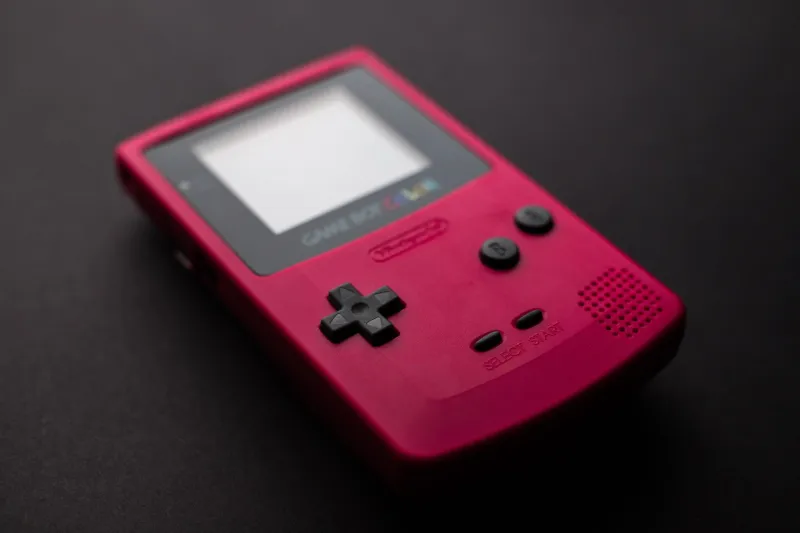
Photo by Photo by Katya Aslanidi on Unsplash on Unsplash
Every town had one. Maybe it was wedged between a nail salon and a shuttered Radio Shack in a strip mall off Route 9. Maybe it was downtown, above a laundromat, up a staircase that smelled like twenty years of Cheetos and carpet glue. The sign was hand-painted. The hours were a rumor. The door chimed like a bell in a western, and behind the counter stood the most powerful person in your young life: the game store guy.
We asked you to send us your memories of these shops, and you buried our inbox. Hundreds of stories. So we did what any scrappy operation would do — we grabbed a recorder, called a few surviving owners, and put together a eulogy that refuses to stay sad.
The Hand-Written Price Tag Economy
There is no corporate manual for a store where the price tags are written in ballpoint pen on masking tape. There is no algorithm for the moment a shop owner squints at you and says, "You liked that? Okay, forget the new stuff — go find Skies of Arcadia. Bring it back when you're done and tell me I'm wrong."
He was never wrong.
These shops ran on a currency GameStop's spreadsheets never captured: trust. The trade-in counter wasn't a transaction, it was a negotiation, a gossip session, and occasionally a therapy appointment. You'd trade in a stack of sports games you were tired of and walk out with a loose copy of something weird, a recommendation, and a warning about which used console to avoid "until we get a batch of good power supplies in."
The back room was legend. Every store had one — a cardboard purgatory of traded-in systems, zip-tied controller bundles, and boxes nobody had opened since the Clinton administration. Getting to see it was a rite of passage. Getting to buy from it meant you'd made the big leagues.
Oral History: "We Just Never Closed the Door"
We tracked down three owners still behind their counters. Their stores have names like Game Castle, Pixel Alley, and — our favorite — Continue?. All asked that we change the names of former employees, because there were many, and because apparently the Kirby plushie thefts of 2009 are still a sore subject.
Ray, 61, owns his shop since 1993: "The internet was supposed to kill us. Then digital storefronts were supposed to kill us. Then the pandemic was really supposed to kill us. We're still here. You know why? Amazon can't look a fourteen-year-old in the eye and say 'trust me on this one.' I can."
Denise, 48, second-generation owner: "My dad's rule was you never let a kid leave without a game they could actually beat. He'd slide a rental tip under the counter. We don't rent anymore, but I still do it. Some kid walked out with a strategy guide last month he didn't pay for. Don't tell my accountant."
Marcus, 39, opened in 2015, the 'worst possible time': "People told me I was opening a Blockbuster in the Netflix era. But I stocked what the big stores wouldn't — imports, homebrew carts, repaired Game Boys. Turns out if you sell the stuff nobody else carries, you're not competing with anybody."
Why Some of Them Are Quietly Thriving
Here's the twist nobody in a boardroom predicted: the very things that made these shops inefficient are what keep them alive. The hand-written tags, the curated clutter, the counter guy who remembers your sibling's birthday — none of it scales, and that's exactly the point.
The survivors have become something bigger than retailers. They're tournament venues on Friday nights. They're the places where a kid trades a Pokémon cartridge and learns how a real economy works, fees and haggling and all. They're retro preservation societies with a cash register, rescuing loose cartridges and dead consoles from closets and estate sales before they end up in a dumpster or, worse, a scalper's spreadsheet.
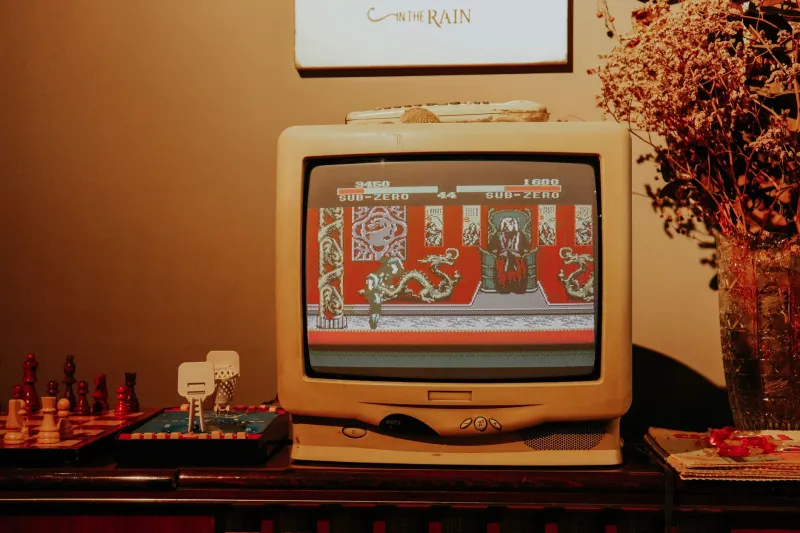
Several owners told us the same thing, almost word for word: they don't compete on price. They compete on being a place. Sociologists call these "third places" — the spots that aren't home and aren't work or school, where community actually happens. Malls used to do it. Arcades used to do it. Now it's a 700-square-foot shop in a dying strip mall in Dayton with a CRT in the window running GoldenEye for anyone who wanders in.
The Eulogy Part, Because Somebody Has to Say It
For every store that's thriving, a dozen are gone. The ones that closed didn't usually die of Amazon — they died of rent, of a landlord who discovered the lot was worth more as a phone store, of an owner's knees giving out at 70 because there was nobody to hand the keys to. When one closes, a whole micro-culture evaporates: the Friday crowds, the bulletin board covered in trading cards and "looking for a fourth" flyers, the smell of cardboard and 1997.
So here's the ask, and we don't do asks lightly. If you've still got one of these shops within driving distance, go. Buy something, even if it's a $5 loose cart. Bring your kids and let the counter person recommend forty hours of their life. Trade in something. Be a regular.
Because the back room is still there. It's still full of boxes. And as long as the bell on the door still chimes, somebody's childhood is still in stock.