Somebody's Grandma Beat That Final Boss: Confessions of a Thrifted Memory Card
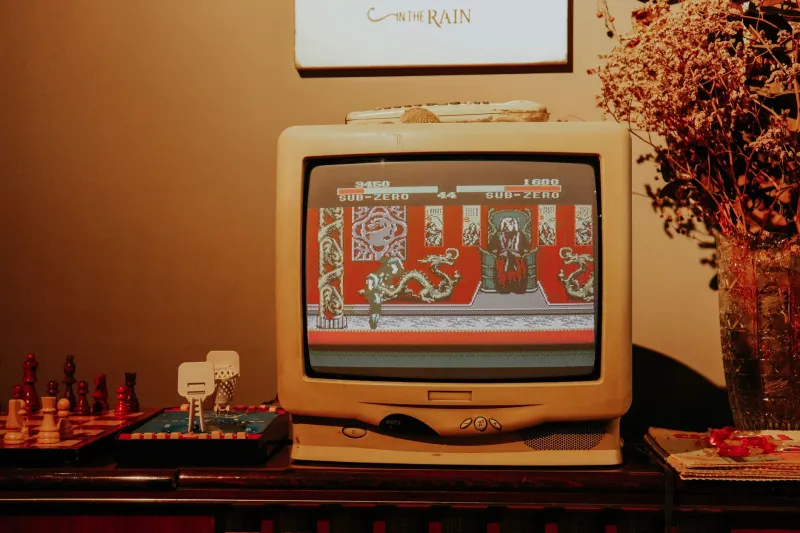
There's a moment every retro collector knows. You bring home a beat-up memory card from the bottom of a Goodwill bin — ninety-nine cents, sticker residue and all — slot it into the console, and scroll through the saves. And there it is: somebody's entire childhood, or somebody's entire terrible year, sitting there in 8 KB of battery-backed silicon.
It's not a game anymore. It's a diary with a boss fight.
The Save File as a Time Capsule
Talk to enough collectors and you start hearing the same thing: the save file is the most honest artifact gaming ever produced. A strategy guide tells you how the game works. A save file tells you how a person played it — what they valued, what they skipped, what they couldn't let go of.
Marcus Bell, a collector in Dayton, Ohio, keeps a shoebox of thrifted PlayStation memory cards he calls "the archive." One card, he says, contains a single save file from a 1998 JRPG: 214 hours logged, every character maxed, the final dungeon beaten — and then, inexplicably, forty more hours after the credits.
"Whoever this kid was, they didn't want it to end," Bell told me. "They just kept walking around the overworld. Fourteen years old, probably, and they made that game their whole summer." He's not wrong. In 1998, a 200-hour save file represented roughly eight and a half full days of a human life. That's a commitment no achievement hunter today will ever feel, because modern games autosave the feeling right out of you.
The Archaeology of Abandoned Quests
Not every save is a triumph. The more haunting ones are the unfinished ones.
Dee Alvarez, who runs a retro swap meet outside Phoenix, estimates she's loaded hundreds of stranger saves over the years. Her taxonomy: the Completionist, the One More Try, and the person she simply calls "the Stopper."
"The Stopper saves get me every time," she says. "You load it up and the player is right at a decision point. Two paths. A choice they never made. The game just... waiting, for twenty-five years." One card she found had a save named DO NOT DELETE over a file with exactly eleven minutes of playtime. "Eleven minutes. Something happened in that living room, man."
There's real emotional weight in a half-finished quest log. The player who ground out levels but never fought the last boss. The file where the party's names are all family members' names — MOM, DAD, the dog. The save timestamped 2:47 AM on a school night, which is its own kind of confession.
Cartridge Batteries and the Ethics of Snooping
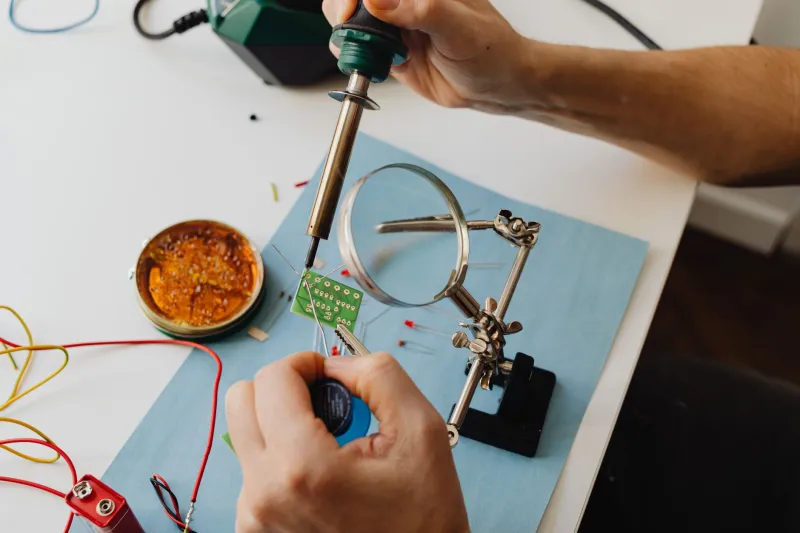
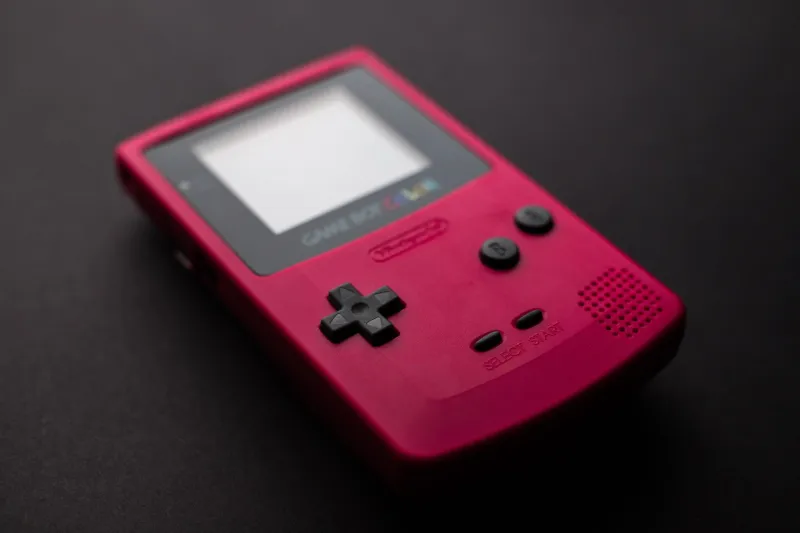
Here's the thing about cartridge saves: they're dying. The coin-cell batteries inside SNES and Game Boy carts have a lifespan measured in decades, and most of those decades are up. Every year, thousands of saves quietly blink out of existence when the battery dies — which is why a whole community of soldering hobbyists has sprung up to crack open carts and swap in fresh cells before the data goes dark.
That rescue effort has an awkward side effect: to preserve a save, you first have to read it. And reading it means meeting the ghost.
The community norm, mostly, is respect. Don't overwrite. If you're keeping the cart, keep the file. Some collectors photograph the save screens before battery replacement the way you'd photograph a document before restoring it. A few have gone further, tracking down original owners through online forums — leading to at least a handful of stories of grown adults getting their childhood Final Fantasy file returned to them like a lost wallet.
"It's the closest thing we have to genealogy," Bell says, only half-joking. "Somebody's grandkid is going to load one of these cards someday and find out Grandma beat the final boss at level 99 with a kitchen timer next to the couch. That's heritage."
Why It Hits Different Now
Modern games back everything up to the cloud, which is convenient and completely soulless. A cloud save is infrastructure. A memory card save is a place — a physical object that sat in a specific drawer in a specific house in a specific town, carried through a move or two, surviving because nobody bothered to throw it away.
The scrappy truth is that old hardware's janky, battery-dependent save systems accidentally created the most intimate data we've ever stored. No telemetry, no analytics, no account linked to an email. Just a name, a playtime, and whatever the player chose to do with their evenings.
So next time you spot a dusty memory card in a thrift store bin, spend the dollar. Charge your soldering iron if you have to. Somewhere in that little gray slab is a person who stayed up too late, named their hero after their crush, and never finished the water temple.
Say hi to them for us.