Dollar Bin Gold: Inside America's Garage Sale Cartridge Rush
It's 6:47 on a Saturday morning in suburban Ohio, and Denise Okafor is already third in line outside a split-level house with a hand-painted sign reading 'MULTI-FAMILY SALE — EVERYTHING MUST GO.' She's got a fanny pack, a thermos of gas-station coffee, and a mental map of six other sales within a ten-minute drive. In her trunk: bubble wrap, a battery tester, and a laminated cheat sheet of Atari cartridge values.
'I haven't bought a game online in two years,' she tells me, eyes scanning a folding table of VHS tapes. 'Why would I? The good stuff is in the garages.'
The Great Marketplace Backlash
If you've priced a copy of anything remotely collectible on eBay lately, you know the deal. Sealed-in-1990 speculation, reseller algorithms, shipping fees that cost more than the game. The online retro market has become a casino where the house always wins.
So collectors started looking elsewhere. Not to other websites — to actual, physical, American yards.
The logic is beautiful in its simplicity: the person selling a box of cartridges at a garage sale in Topeka has no idea (and no obligation to care) what a loose copy of that game goes for online. They know it sat in their brother's closet for thirty years. They want five bucks. The market, as any economist will tell you, is just information — and garage sales are where information goes to take a nap.
Pickers, Pluggers, and the People Who Know
The garage sale hunting scene has its own cast of characters, and I met most of them over one long summer of tagging along.
There are the pickers — full-timers like Marcus, a retired mailman from Indiana who hits estate auctions four days a week and resells just enough to fund the habit. 'An estate sale company lists the lot as "assorted vintage electronics,"' he says, grinning. 'That phrase has bought me two boats.'
There are the pluggers — weekend warriors who treat every Saturday like a low-stakes lottery. They lose more often than they win, but the wins are legendary and retold at cookouts for years.
And there are the lifers — the folks who never stopped collecting since the eighties and now find their hobby suddenly fashionable. They're easy to spot: they're the ones quietly buying the consoles before you get there.
How to Spot the Gems (Before Somebody Else Does)
Every picker has their own doctrine, but a few commandments came up in nearly every conversation:
- Ignore the box, check the label. Sun-faded, marker-scrawled, sticker-covered cartridges are the cheapest and often work fine. Collectors call it 'battle damage.' It's also where the discounts live.
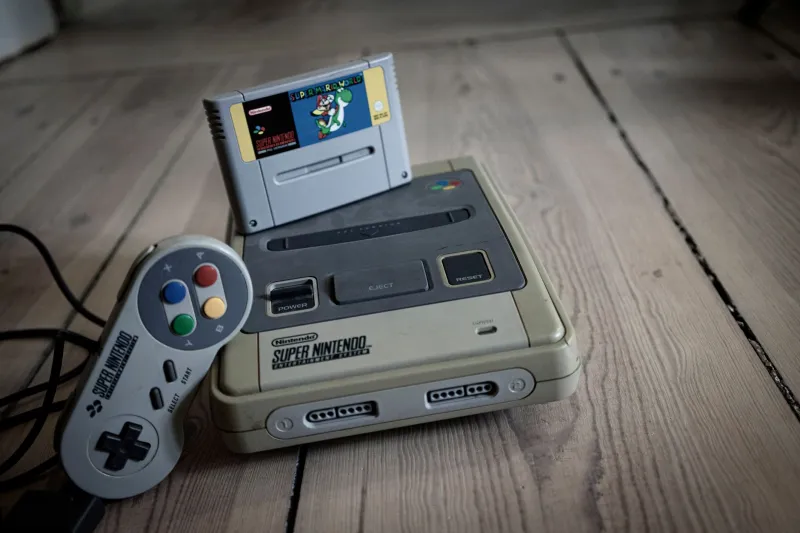
- Learn the orphan systems. Everyone knows what a Nintendo is. Almost nobody at a garage sale knows what a TurboGrafx-16 is — and that's your edge.
- Ask about 'the other stuff.' The good sellers put out the games. The great sellers keep a box in the garage they forgot about. Always ask: 'Got any other video game stuff?' It has worked more times than I can count.
- Carry cash and a tester. A battery pack, an AV cable, and a portable console for testing can turn a 'probably broken' thrift find into a verified steal.
- Be gone by nine. The flippers arrive at nine. You want to be the rumor they heard about.
Why the Hunt Matters More Than the Haul
Here's the thing that surprised me most: nearly every hunter I spoke with described the finds as secondary. What keeps them waking up early is the hunt itself — the small-town texture of it, the haggling, the stories attached to every dusty box.
'This copy of a game came from a widow in Kansas who told me her son saved up for it mowing lawns,' one collector told me, holding a well-worn cartridge. 'You don't get that from a buy-it-now listing. You get a padded envelope and a receipt.'
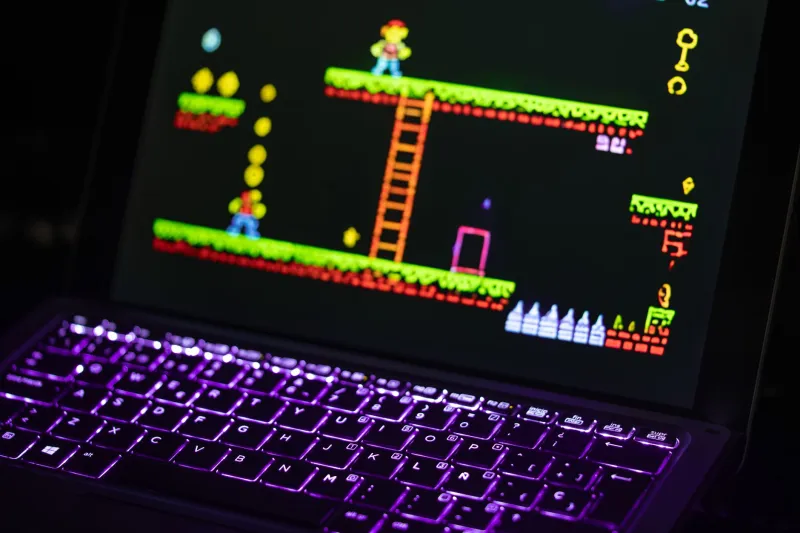
There's something deeply pixel-art about the whole enterprise, honestly. Scrappy, low-res, full of personality, and completely unbothered by corporate polish. The garage sale circuit is the gaming hobby with the shrink wrap off.
So this weekend, skip the marketplace. Check the neighborhood app, pack some ones, and go dig through somebody's garage. The dollar bin isn't dead. It's just been waiting in a driveway near you.